Products Sensors Data Links FAQs Contact Home
 

FAQs

FAQ1: How can this equipment help us at the track?

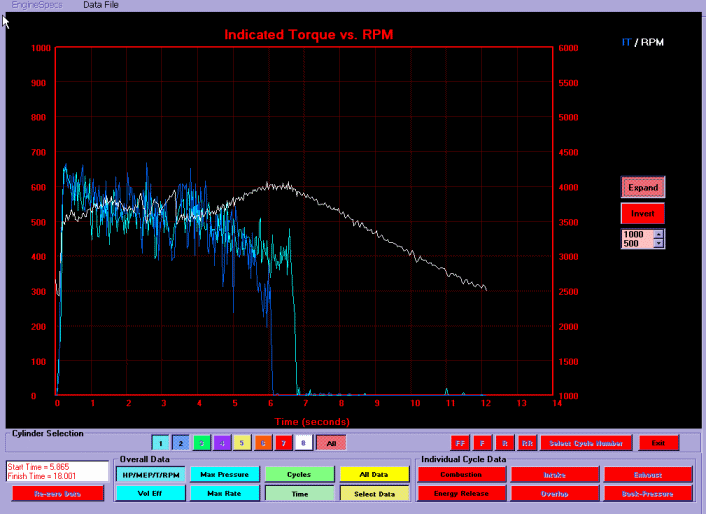
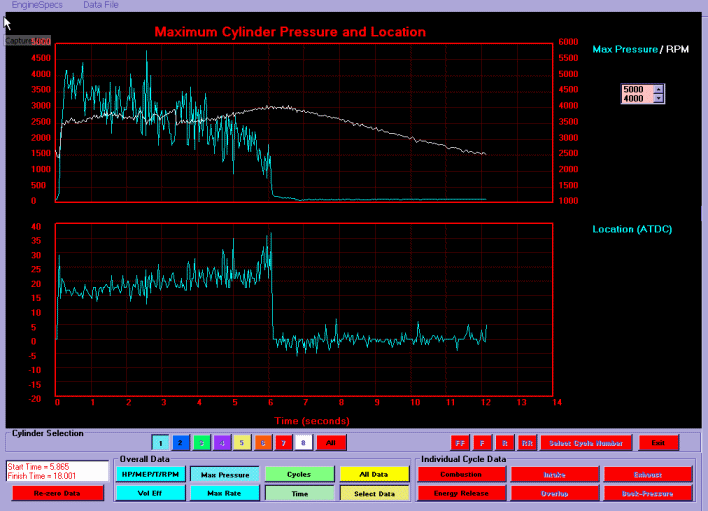
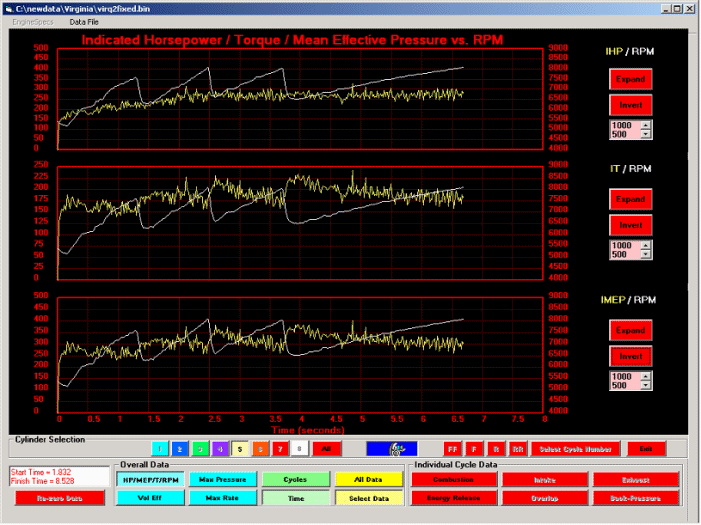
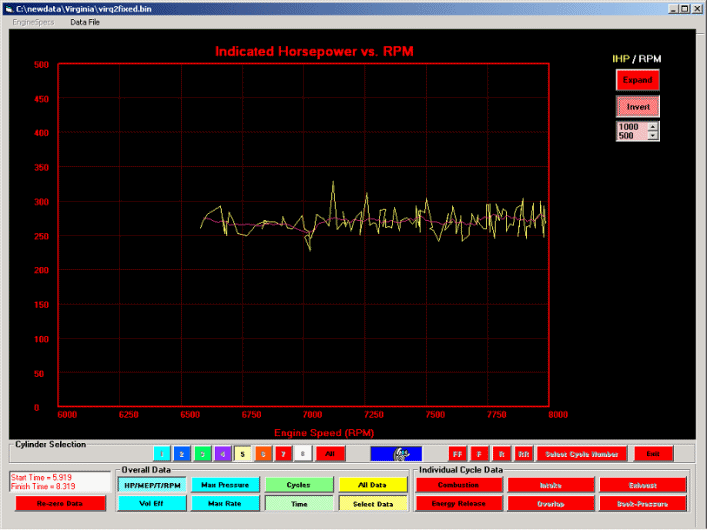
ANS: Our combustion analyzers not only analyze combustion, but record power and torque for each cylinder during a run down the dragstrip. Its just like having a dyno bolted onto the race car for every pass.

The engine tuner can use the combustion data from one run to decide how to tweak each cylinder for the next run. Since power/torque are recorded, the data can also be used in conjunction with ETs/MPH to assist with setting up the engine/chassis/clutch combination for the launch, as well as shift points during the run. Particularly important for high power applications which can easily overpower the track surface.

FAQ2: How much does combustion vary from cylinder to cylinder and combustion cycle to combustion cycle on a highly tuned engine ?

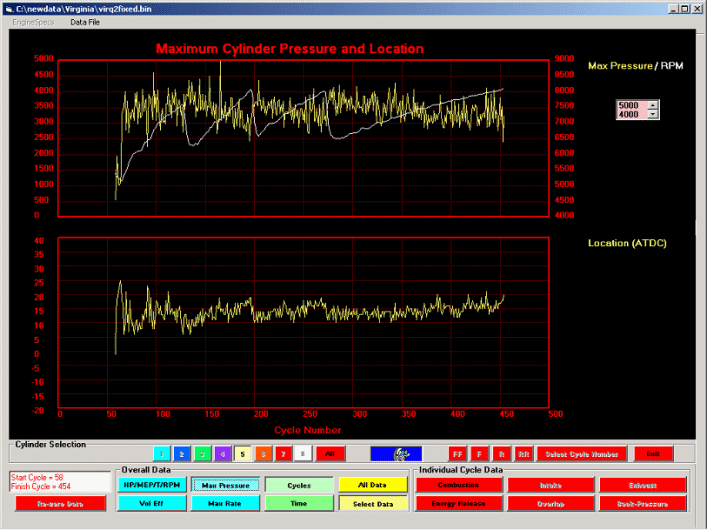
ANS: In general the more highly modified the engine, the more out of tune the engine will be, even though the engine tuner has done his best. Stock import type engines have the least variation. Why? All the large import engine manufacturers use combustion/intake/exhaust pressure tuning analyzers.

Once an engine is modified (assuming without access to a combustion pressure analyzer) the cylinder to cylinder balance and cycle to cycle balance goes astray. Naturally a modified engine will make a lot more power than a stock engine, but every cylinder will run differently and few if any of the cylinders will be optimized.

Highly turbocharged engines, carbureted engines, engines with custom intakes, nitrous engines, nitro engines and anything with a Roots style blower all have substantial tuning issues to be addressed.

FAQ3: Will combustion pressure data provide any real benefits to a professional engine builder with 30 + years?

ANS: One needs only to read through any of the JEGS Engine Masters summaries to realize how important it is to know what is going on inside the cylinders.

Some of the best engine builders in North America participate in this contest. More often than not the engine builder finds out that the setup that worked back at their facility just doesn't live up to expectations at the contest facility where the location and atmospheric conditions may be a little different. Even with many years experience and several attempts, many engine builders just cannot get the engine to work as well as they had hoped.

Why is it so difficult? Simply because the engine builder is tuning blind. He cannot see what is going on inside the cylinder and must rely on experience, guesswork and luck to try to sort things out. Even with the best talent available, it is hard to imagine the engine builder being able to tune each cylinder the right amount in the right direction without being able to see what is going on inside the cylinder.

Consider this, if top engine tuners cannot sort out an engine at a quality dyno facility within a couple attempts when conditions are different from their facility, how can a raceteam tuner be expected to have an engine running anywhere near correctly at the track where conditions are much more adverse and the tuner has only 1 try to get the setup right before the next run.

Combustion pressure tuning changes all of this. The raceteam tuner and the engine builder to see exactly what is happening inside the cylinder so that with just a little experience the tuner can make an informed decision about what needs to be done to adjust the engine to peak power/torque for the next run.

FAQ4: How fast are your data acquisition systems?

ANS: As a point of reference 1 pressure sensor generates about the same amount of data in 1 second as 10 dyno cells with 70 to 100 conventional sensors per dyno cell. Roughly 700-1000 times faster than conventional sensor data.

FAQ5: Will the data acquisition system show when detonation occurs?

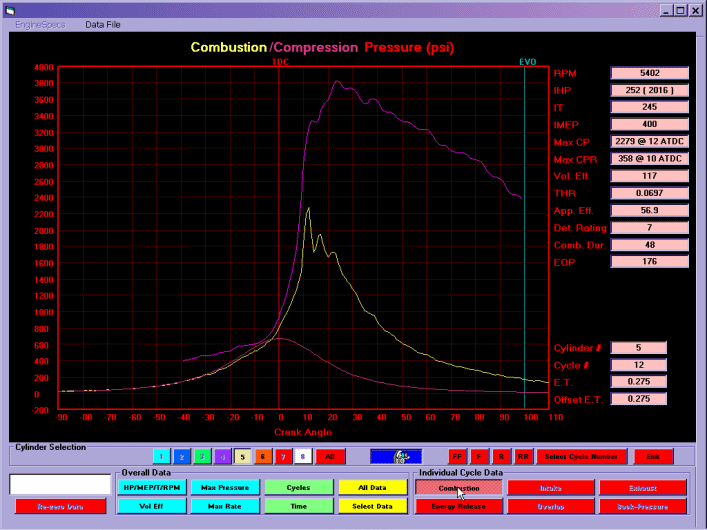
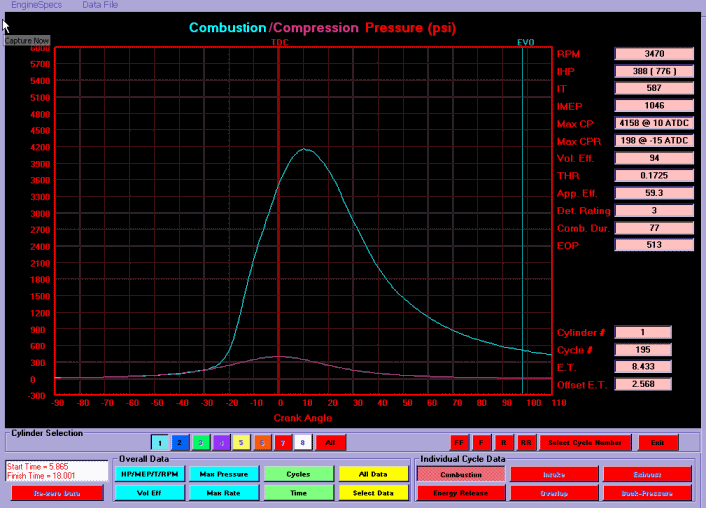
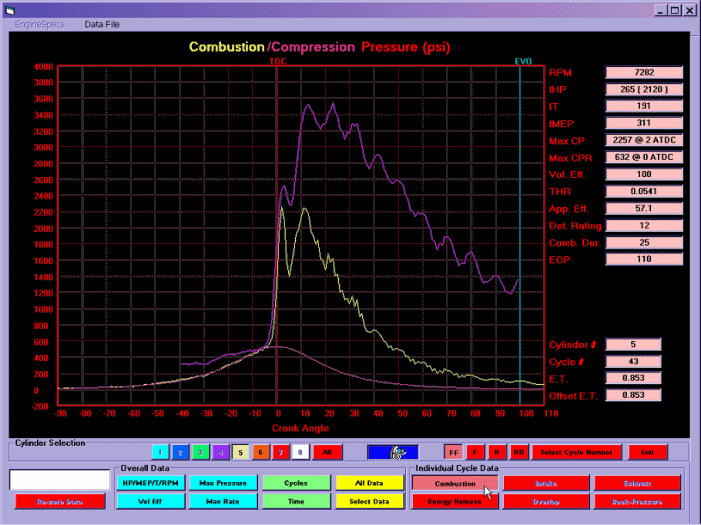
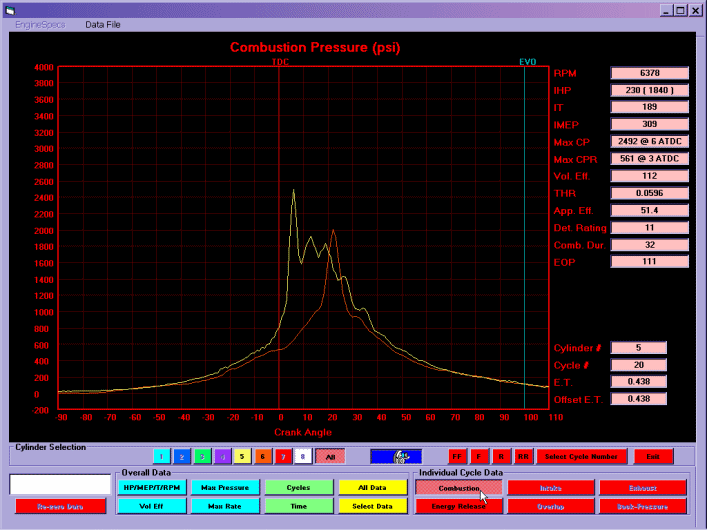
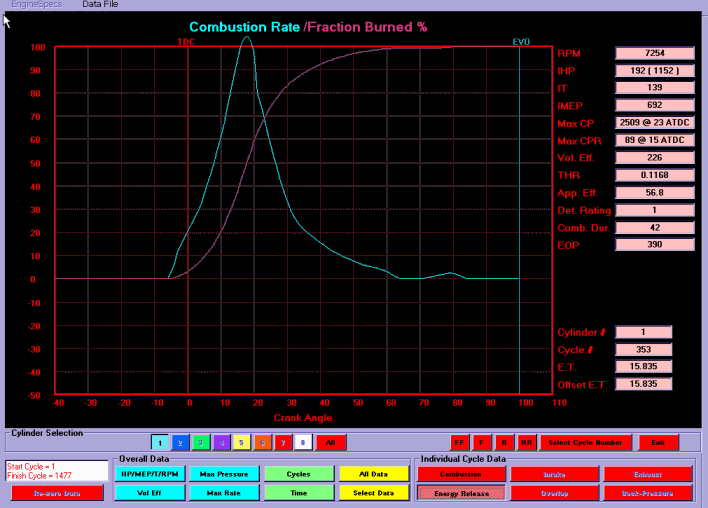
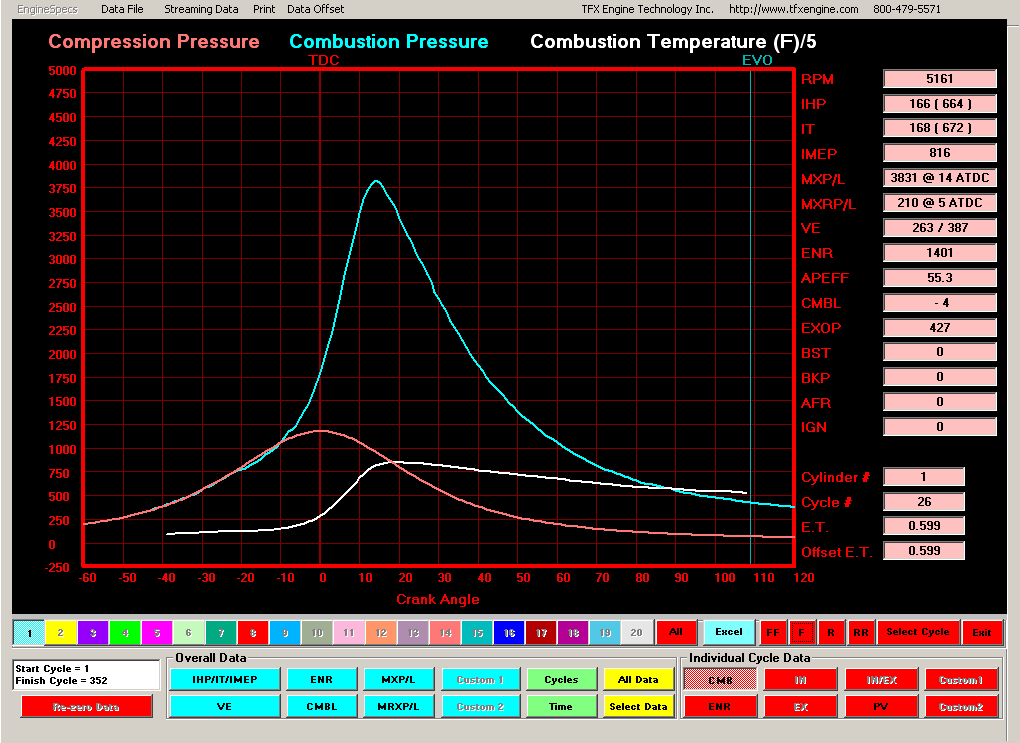
ANS: Detonation is accurately recorded by all of our products. Normal combustion produces a smooth combustion pressure curve. Detonation causes spikes to occur in an otherwise smooth combustion pressure trace. The standard software generates a detonation rating value for the largest detonation spike for each combustion cycle. Custom software is available which generates detailed information on all of the detonation spikes including the peak magnitude of the detonation spikes, the total sum of the detonation spikes and the frequency of the detonation spikes in Hertz.

In some high end applications customers have assumed detonation was occurring (prior to installing a combustion pressure analyzer), based on deformation of engine components, only to find out upon instrumenting the engine with pressure sensors that the engine wasn't even close to detonating and more timing could be added. The engine components were simply being deformed by the high loads being generated through normal smooth combustion. Actual detonation under these circumstances would result in extreme engine destruction.

FAQ6: Can you add custom features to the software ?

ANS: We have added custom graphs and calculations to our software on several occasions upon customer request. For instance a customer may have a need for more detailed detonation analysis or need to summarize certain aspects of the data a little differently. In other cases we have added custom software to work with unconventional engines which use radically different engine components from the standard crankshaft, connecting rod and piston configuration. Custom software can usually be added for a few hundred dollars.


Click images for more details

Site design ©2006 Todd Paton Web Design