|
TFX Ultra High Speed Data Loggers
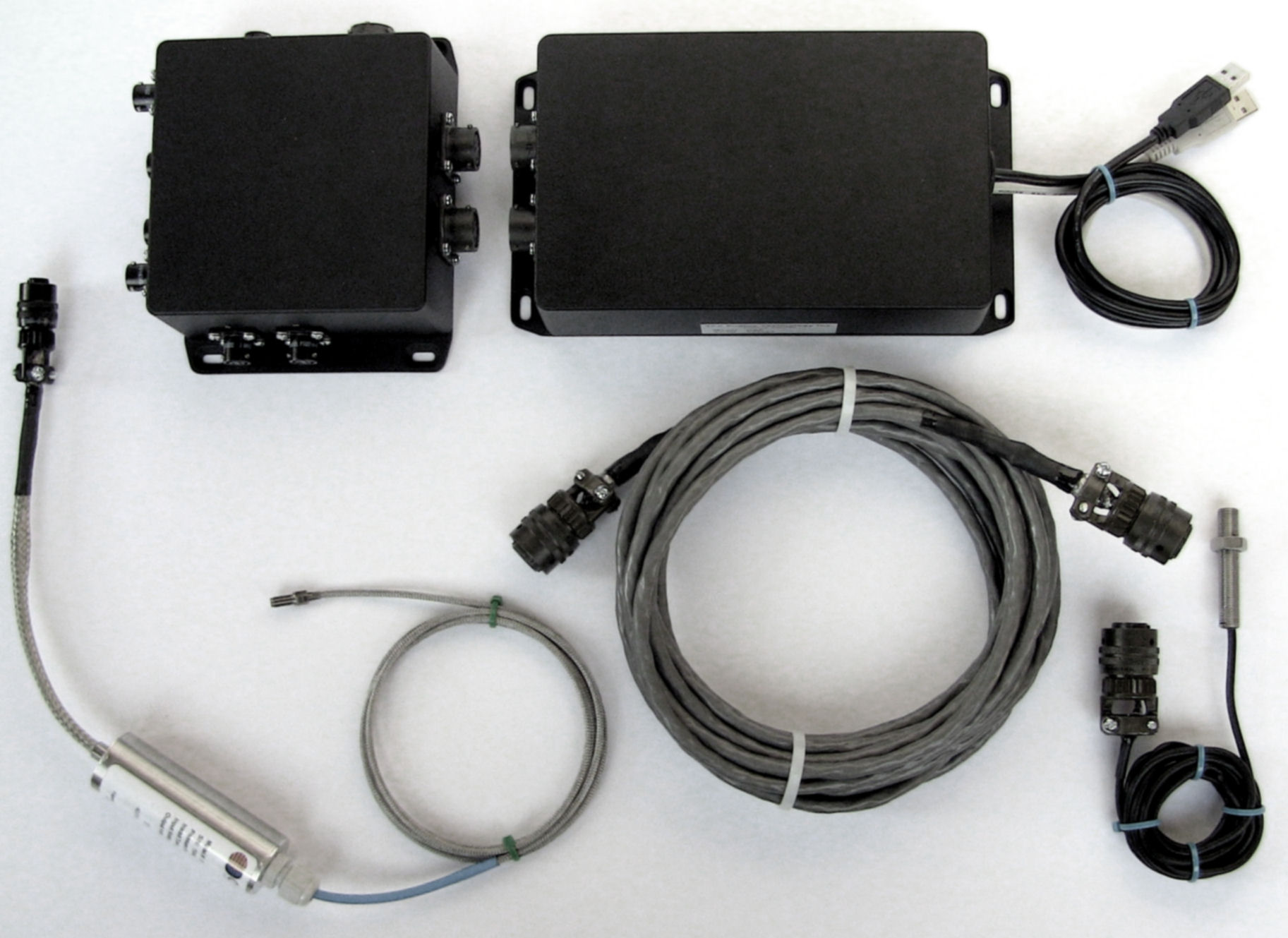
One of the key components in a turn-key TFX engine pressure analyzer system is of course the ultra high speed data logger. TFX offers 8 different data loggers, one to suit almost any budget and almost any requirement.
Key Features
- BUILT TO SURVIVE HARDCORE RACING ENVIRONMENTS (no TFT/LCD displays - no lab connectors - no external pushbuttons - no connections to vehicle battery)
- ALL 8 TFX DATA LOGGERS ARE PORTABLE AND SUITABLE FOR BOTH DYNO AND IN CAR USE
- AS FEW AS 1 AND AS MANY AS 28 HIGH SPEED PRESSURE CHANNELS
- TOTAL SAMPLING SPEEDS UP TO 3,600,000 SAMPLES PER SECOND
- SUITABLE FOR ENGINE SPEEDS UP TO 50,000 RPM
- RECORD VEHICLE CRANK TRIGGER SIGNAL OR TFX STANDALONE CRANK TRIGGER
- RECORD ANY VOLTAGE OUTPUT SENSOR
- RECORD DATA IN 1 DEGREE CRANK ROTATION INCREMENTS
- AUTOMATIC DATA COLLECTION WITH USER SPECIFIED DURATION
- EASY TO USE TFX SOFTWARE
- TFX WARRANTY
- FREE TECH SUPPORT
TFX Pressure Analyzer Products
- TFX 1 - LOW COST - UPGRADEABLE ENTRY LEVEL UNIT - 1 HIGH SPEED PRESSURE CHANNEL
- TFX 3 - LOW COST - UPGRADEABLE ENTRY LEVEL UNIT - 3 HIGH SPEED PRESSURE CHANNELS
- TFX 8 - EXTREME SPEED - 8 HIGH SPEED PRESSURE CHANNELS
- TFX 16 - EXTREME SPEED - 16 HIGH SPEED PRESSURE CHANNELS
- TFX 28 - EXTREME SPEED - 28 HIGH SPEED PRESSURE CHANNELS
- TFX R8 - EXTREME SPEED - SELF POWERED - 8 HIGH SPEED PRESSURE CHANNELS
- TFX R16 - EXTREME SPEED - SELF POWERED - 16 HIGH SPEED PRESSURE CHANNELS
- TFX R28 - EXTREME SPEED - SELF POWERED - 28 HIGH SPEED PRESSURE CHANNELS
Last Updated by TFX Jan 27, 2023
Site design © Todd Paton Web Design
|





